

Lab Automation with Robotics: Complete 2026 Guide
How to automate lab workflows with robots: liquid handling, sample prep, assay automation, and AI-guided protocols. Compare systems, costs, and implementation strategies for research labs in 2026.
How AI and robotics are transforming laboratory workflows — from liquid handling and sample prep to fully autonomous experimentation. Compare systems, costs, and implementation strategies for research labs, pharma, and clinical environments.
Why Lab Automation in 2026? The Convergence of AI and Robotics
Laboratory automation has existed for decades, but 2026 marks an inflection point. Three forces are converging to make robotic lab automation more accessible and more capable than ever before:
- Foundation models for manipulation — Pretrained vision-language-action models (RT-2, Octo, pi0) can now generalize across lab tasks with minimal fine-tuning. A robot trained on plate handling can transfer skills to tube racking with 50-100 additional demonstrations rather than thousands.
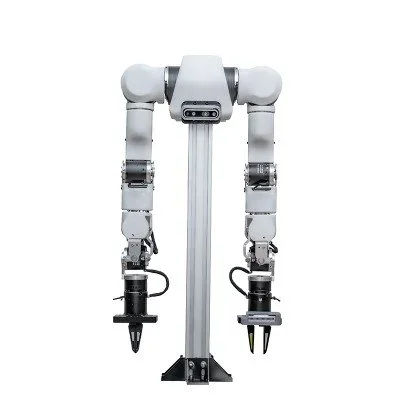
- Affordable hardware — Research-grade robot arms have dropped below $5,000. The OpenArm 1 at $4,500 delivers precision comparable to systems that cost $30,000+ five years ago. Bimanual configurations like the DK1 at $12,000 enable two-handed protocols previously requiring custom automation cells.
- Data infrastructure maturity — Standardized data formats (HDF5, RLDS, Open X-Embodiment) and professional data collection services have eliminated the biggest bottleneck: getting enough high-quality demonstrations to train manipulation policies.
The result is that labs of any size — from 5-person biotech startups to 500-person pharma R&D divisions — can now deploy robotic automation at a fraction of historical costs. This guide covers everything you need to evaluate, pilot, and scale lab automation in 2026.
Lab Automation Use Cases with Robots
High-Throughput Compound Screening (Pharma)
Drug discovery generates enormous volumes of repetitive liquid handling, plate preparation, and assay execution. A single high-throughput screening (HTS) campaign may process 100,000+ compound-dose combinations, each requiring precise pipetting (0.5–50 μL), incubation, and measurement. Robotic automation reduces human error rates from 2–5% to below 0.1% while increasing throughput 3–10x.
Key HTS workflows suited for automation:
- Compound plating from library stocks to assay-ready plates
- Serial dilution series for dose-response curves
- Cell seeding and compound addition with precise timing
- Plate reading (absorbance, fluorescence, luminescence) with automated scheduling
- Hit confirmation and cherry-picking from primary screens
Liquid Handling and Pipetting Automation
Liquid handling is the single most common lab automation task. Key considerations:
- Volume range — Nanoliter dispensing (acoustic, inkjet) for miniaturized assays vs. microliter pipetting (air displacement, positive displacement) for standard plate formats vs. milliliter dispensing (peristaltic, syringe) for prep-scale work.
- Accuracy vs. precision — Accuracy matters for absolute quantitation; precision matters for comparative experiments. Robotic pipetting typically achieves CV (coefficient of variation) below 2% for volumes above 1 μL.
- Contamination control — Disposable tips eliminate cross-contamination but increase consumable costs ($0.05–$0.20 per tip). Washable tips reduce waste but require validated wash protocols. The choice depends on assay sensitivity and throughput.
- Integration with RCSV arms — OpenArm 1 equipped with custom pipette gripper adaptors can perform automated liquid transfers between instruments. For high-precision dispensing, we integrate with dedicated liquid handlers (Hamilton STAR, Opentrons OT-2) coordinated by the arm for plate transport.
PCR Setup and Genomics Workflows
PCR (Polymerase Chain Reaction) setup is highly repetitive and contamination-sensitive. A typical qPCR run involves preparing 96 or 384 reactions, each combining template DNA, primers, probes, and master mix. Manual setup introduces pipetting errors that directly affect Ct values and downstream analysis. Robotic preparation ensures:
- Consistent volumes across all wells (CV < 1.5%)
- Reduced cross-contamination risk through automated tip changes
- Faster plate prep: 384-well plate in under 15 minutes vs. 60+ minutes manual
- Full traceability of reagent lots and volumes per well
Beyond PCR, genomics workflows including library preparation for next-generation sequencing (NGS), CRISPR guide RNA assembly, and genotyping panels all benefit from robotic consistency.
Sample Transport and Tracking
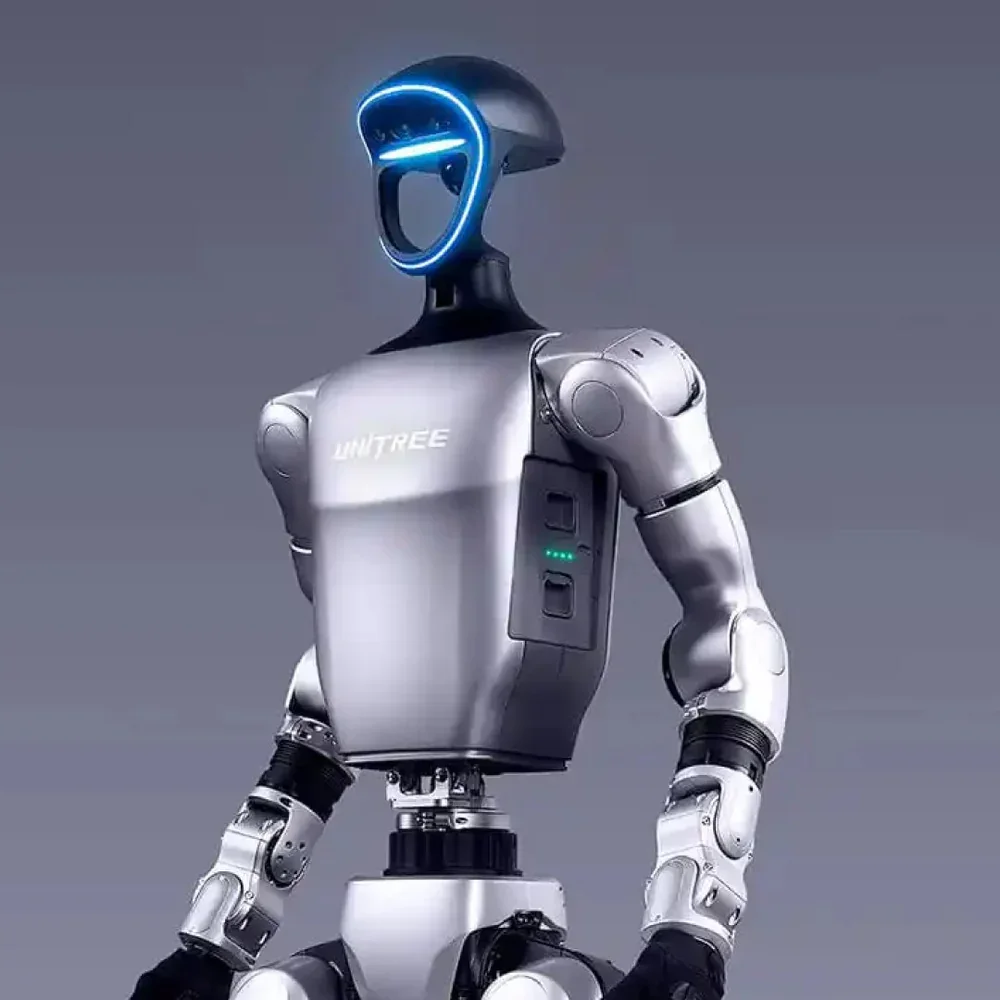
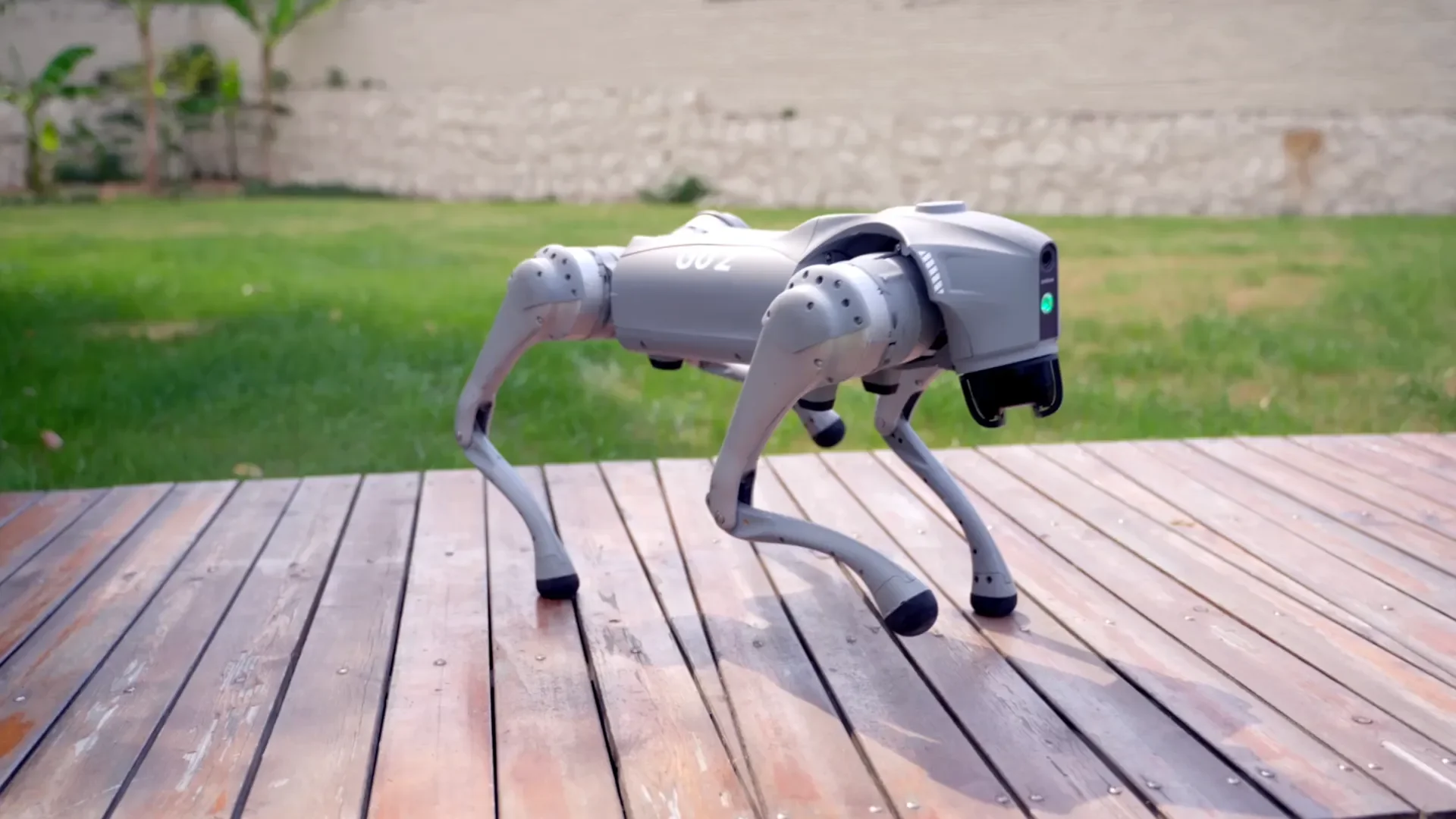
Moving samples between instruments — from freezer to thaw station, to liquid handler, to reader, to storage — consumes significant technician time and introduces chain-of-custody gaps. Mobile robots like the Unitree Go2 ($2,800) can transport sample trays between lab stations with barcode verification at each handoff point. Integration with LIMS (Laboratory Information Management Systems) ensures full traceability from sample receipt to result reporting.
Cell Culture Maintenance
Cell culture requires precise timing of media changes, passage steps, and monitoring. Manual cell culture is limited by technician schedules — cells do not follow 9-to-5 schedules. Robotic systems can:
- Perform media aspiration and replacement at programmed intervals, including overnight and weekends
- Monitor confluence using automated microscopy and trigger passage when thresholds are reached
- Maintain aseptic technique consistently (a major source of variability in manual culture)
- Scale from 6-well plates to T-175 flasks with tool-changing end-effectors
Chemical Synthesis and Reaction Monitoring
Automated synthesis platforms use robot arms to transfer reagents, control reaction temperatures, and sample reaction products for inline analysis (HPLC, mass spectrometry, UV-vis). RCSV supports modular chemistry automation cells where a 6-DOF arm (OpenArm 1 or DK1) handles vial transfer between instruments, weighing stations, and storage, coordinated by scheduling software. Autonomous experimentation — where an AI agent designs the next experiment based on results from the previous one — is the emerging frontier in self-driving labs.
Robot Hardware Comparison for Lab Automation
Choosing the right robot depends on your lab tasks, payload requirements, precision needs, and budget. The following table compares systems commonly used in laboratory settings in 2026:
| System | Best For | Payload | Precision | Cost |
|---|---|---|---|---|
| OpenArm 1 | Research prototyping, pipette automation, plate transfer | 5 kg | ±0.1 mm | $4,500 |
| DK1 Bimanual | Two-handed protocols, complex assembly, cap removal | 5 kg each arm | ±0.1 mm | $12,000 |
| Unitree Go2 | Mobile sample transport between lab stations | 5 kg | — | $2,800 |
| Franka Research 3 | High-precision manipulation, force-sensitive tasks | 3 kg | ±0.1 mm | ~$15,000 |
| Universal Robots UR5e | Industrial-grade lab workflows, GMP-validated | 5 kg | ±0.05 mm | ~$35,000 |
| Opentrons OT-2 | Dedicated liquid handling (pair with arm for transport) | N/A | ±0.1 mm (liquid) | ~$6,500 |
RCSV recommendation: For most academic and startup labs, begin with the OpenArm 1 ($4,500) for general plate handling and instrument loading. When protocols require two-handed manipulation — holding a tube while pipetting, or removing a cap while stabilizing a plate — upgrade to the DK1 bimanual system ($12,000). Both systems are available through our leasing program starting at $800/month.
AI and Machine Learning Requirements for Lab Robots
Modern lab automation is moving beyond rigid scripted sequences toward learned policies that adapt to variation in labware positioning, fill levels, and instrument states. This section covers the AI stack required to deploy intelligent lab robots.
Vision Systems for Lab Environments
Lab robots need to see and interpret their environment. Key vision capabilities include:
- Vial and plate detection — Recognizing labware types, positions, and orientations on benchtops. Modern object detection models (YOLO v8, DETIC) achieve >95% accuracy when fine-tuned on lab-specific datasets.
- Label and barcode reading — OCR for sample labels and barcode scanning for LIMS integration. Essential for chain-of-custody compliance.
- Fill-level estimation — Computer vision can estimate liquid levels in transparent containers, enabling adaptive pipetting protocols.
- Safety monitoring — Detecting spills, misplaced items, or human hands entering the robot workspace.
Force Control for Delicate Tasks
Many lab tasks require precise force modulation:
- Pipette tip insertion and ejection (consistent seating force for accurate aspiration)
- Cap tightening and removal (torque control to avoid cross-threading or breaking seals)
- Plate handling (firm enough to prevent dropping, gentle enough to avoid cracking polystyrene)
- Reagent bottle manipulation (squeezing deformable containers)
The OpenArm 1 and DK1 both support torque-based force feedback through their motor drivers, enabling compliant manipulation policies.
Training Data Requirements
Learned manipulation policies require demonstration data. The number of demonstrations depends on task complexity:
| Task | Demonstrations Needed | Data Collection Time |
|---|---|---|
| Plate pick-and-place | 50–100 | 2–4 hours |
| Tube racking | 100–200 | 4–8 hours |
| Pipette loading/ejecting | 50–100 | 2–4 hours |
| Cap removal (varied sizes) | 200–500 | 8–20 hours |
| Multi-step assay protocol | 500–1,000 | 20–40 hours |
ACT and Diffusion Policy for Lab Manipulation
Two policy architectures have proven effective for lab manipulation tasks:
- Action Chunking with Transformers (ACT) — Predicts sequences of 50–100 future actions at once, producing smooth trajectories ideal for pipette manipulation and plate stacking. ACT models train in 2–4 hours on a single GPU from 50–200 demonstrations.
- Diffusion Policy — Generates action trajectories through iterative denoising, offering better multi-modal behavior (multiple valid approaches to the same task). Particularly effective for tasks with high variability in initial conditions, such as grasping tubes from disordered racks.
Both architectures are supported by RCSV's data platform for training, evaluation, and deployment to robot hardware.
Data Collection for Lab Robots
High-quality demonstration data is the foundation of learned lab automation. RCSV provides professional data collection services specifically designed for manipulation tasks.
Expert Teleoperation Demonstrations
Our trained operators collect demonstrations using bilateral teleoperation with the OpenArm 1 or DK1. Each demonstration captures:
- Joint positions and velocities at 50 Hz
- End-effector pose (6-DOF) at 50 Hz
- Gripper state (position and force)
- Stereo camera images (640x480, 30 FPS)
- Wrist camera images (optional, for close-up manipulation)
- Force/torque sensor readings (when applicable)
RCSV Pilot Program
Our lab automation pilot program is designed for teams evaluating robotic automation for the first time:
- $2,500 pilot — 50 expert demonstrations for a single lab task (e.g., plate handling, tube racking, pipette operation)
- $8,000 campaign — 200+ demonstrations across 2–3 related tasks with trained policy delivery
- Data delivered in HDF5 and RLDS formats, compatible with LeRobot, Open X-Embodiment, and all major imitation learning frameworks
- Optional policy training and evaluation on RCSV hardware before deployment to your lab
LIMS Integration
Demonstration data can be tagged with LIMS metadata (sample IDs, protocol steps, instrument states) to enable context-aware policies that understand where they are in a multi-step protocol. RCSV supports integration with common LIMS platforms including LabWare, STARLIMS, and Benchling.
Implementation Roadmap: From Evaluation to Production
Deploying lab automation successfully requires a phased approach. Rushing to full deployment without proper validation leads to costly rework and team resistance.
Phase 1: Manual Workflow Analysis (Weeks 1–2)
- Map current manual workflows: time each step, identify error-prone operations, measure throughput bottlenecks
- Prioritize tasks by automation ROI: (time saved x frequency x error cost) / implementation complexity
- Define success metrics: throughput targets, error rate thresholds, uptime requirements
- Audit physical workspace: bench clearance, power access, camera mounting points
- Identify regulatory requirements: GLP, GMP, ISO 17025, 21 CFR Part 11 applicability
Phase 2: Robot Pilot with 1–2 Tasks (Weeks 3–8)
- Deploy robot hardware (OpenArm 1 or DK1) at a designated automation station
- Collect 50–100 expert demonstrations per task through RCSV data services
- Train and evaluate manipulation policies (ACT or Diffusion Policy)
- Run parallel validation: robot and human performing the same task side-by-side
- Iterate on end-effector design and camera placement based on failure analysis
- Begin LIMS integration for data logging and traceability
Phase 3: Expanded Automation (Months 3–4)
- Add 2–3 additional tasks to the robot's repertoire
- Implement scheduling software for multi-instrument coordination
- Deploy mobile transport (Unitree Go2) for inter-station sample movement if needed
- Train lab staff on robot operation, monitoring, and basic troubleshooting
- Execute IQ/OQ/PQ validation for regulated environments
Phase 4: Full Production Deployment (Months 5–6)
- Transition to unattended operation for validated workflows
- Implement error detection and automatic recovery protocols
- Connect data platform dashboards for real-time throughput monitoring
- Establish maintenance schedule (weekly calibration checks, monthly preventive maintenance)
- Document SOPs for all automated workflows
ROI Calculator: Lab Automation Economics
The economic case for lab automation depends on three factors: technician time replaced, error cost reduction, and throughput gains. Here is a representative analysis for a common scenario.
Scenario: Automating Sample Preparation in a Biotech Lab
| Cost Category | Manual Process | Robotic Automation |
|---|---|---|
| Technician time (2,000 hrs/year @ $45/hr) | $90,000/year | $15,000/year (supervision only) |
| Error-related waste (reagents, repeated runs) | $25,000/year | $3,000/year |
| Robot hardware (OpenArm 1) | — | $4,500 (one-time) |
| Data collection pilot (50 demonstrations) | — | $2,500 (one-time) |
| Integration and setup | — | $5,000 (one-time) |
| Annual maintenance | — | $3,000/year |
| Year 1 Total | $115,000 | $33,000 |
| Year 2+ Annual | $115,000 | $18,000 |
Payback period: Under 3 months. First-year savings of approximately $82,000 against a $12,000 upfront investment. These numbers are conservative — labs running 24/7 automated protocols see even higher returns as robots operate overnight and on weekends without additional labor cost.
Regulatory Considerations: GLP, GMP, and 21 CFR Part 11
Labs operating under Good Manufacturing Practice (GMP), Good Laboratory Practice (GLP), or ISO 17025 accreditation must ensure robotic systems comply with data integrity and validation requirements.
FDA 21 CFR Part 11 Compliance
- Audit trails — Every robot action (transfer, measurement, parameter change) must be logged with timestamps, operator identity, and reason codes for changes. RCSV's data platform provides immutable, timestamped logs for all robot operations.
- Electronic signatures — Operator authentication for method approval, batch release, and deviation reports. Role-based access control ensures only authorized personnel can modify automation protocols.
- Data integrity (ALCOA+) — Attributable, Legible, Contemporaneous, Original, Accurate. All data generated by RCSV systems meets ALCOA+ standards with automatic backup and version control.
Validation: IQ/OQ/PQ
- Installation Qualification (IQ) — Verify robot hardware installation against specifications: mechanical calibration, network connectivity, safety system function.
- Operational Qualification (OQ) — Test robot performance across operating ranges: accuracy at various positions in the workspace, repeatability measurements, gripper force verification.
- Performance Qualification (PQ) — Demonstrate that the robot performs intended tasks within acceptance criteria under actual operating conditions. RCSV provides validation protocol templates and execution support for all three qualification stages.
Safety Standards
Collaborative robots in lab environments must comply with ISO 10218 and ISO/TS 15066 for collaborative robot safety. Key requirements include power and force limiting, speed monitoring, and safety-rated monitored stop. All RCSV robot systems are designed for collaborative operation with appropriate safety assessments.
Case Study: Biotech Startup Cuts Sample Prep Time by 60%
A 15-person therapeutic antibody startup in the Bay Area was spending 30+ technician-hours per week on repetitive sample preparation for binding assays. The process involved:
- Thawing and aliquoting frozen protein samples (50+ tubes daily)
- Serial dilution across 96-well plates (8-point curves, triplicate)
- Plate loading into an ELISA reader with precise timing
- Data logging and LIMS entry
Implementation: The team deployed an OpenArm 1 with a custom gripper for both tube and plate handling. RCSV collected 75 expert demonstrations over two days, covering the full sample prep workflow with variations in tube positions, plate orientations, and labware types.
Results after 8 weeks:
- Sample prep time reduced from 30 hours/week to 12 hours/week (60% reduction)
- Pipetting CV improved from 3.2% (manual) to 1.1% (robotic)
- Zero cross-contamination events (vs. 2–3 per month manual)
- Technicians redirected to assay development and data analysis
- Total cost: $4,500 (OpenArm) + $2,500 (data collection) + $3,000 (integration) = $10,000
- Annualized savings: ~$65,000 in technician time and reduced reagent waste
Industry-Specific Lab Automation Guidance
Academic Research Labs
Academic labs typically have tight budgets, diverse tasks, and frequent protocol changes. The ideal system is flexible and reprogrammable. The OpenArm 1 ($4,500) with its open-source control stack is purpose-built for this environment. Researchers can modify control code, experiment with new policies, and publish results without vendor restrictions. Our leasing program ($800/month) lets labs test automation without capital expenditure.
Pharma R&D
Pharma labs need validated systems that integrate with existing automation infrastructure. The DK1 bimanual system ($12,000) handles the two-handed tasks common in pharma workflows: holding a container while pipetting, stabilizing a plate while inserting into a reader, or managing lids during aseptic operations. RCSV provides IQ/OQ/PQ documentation and 21 CFR Part 11 compliance support.
Clinical Diagnostics
Clinical labs process high volumes of patient samples with strict chain-of-custody requirements. Combining a robot arm for sample handling with the Unitree Go2 ($2,800) for inter-station transport creates an efficient automated sample flow. Barcode verification at each handoff ensures traceability, and LIMS integration provides end-to-end audit trails.
Start Your Lab Automation Pilot
Whether you are automating your first lab workflow or expanding an existing automation program, RCSV provides the hardware, data, and expertise to accelerate your deployment.
- $2,500 pilot — 50 expert teleoperation demonstrations for your specific lab task, delivered in HDF5/RLDS format with trained policy
- $8,000 campaign — 200+ demonstrations across multiple tasks with full workflow integration
- Hardware leasing — OpenArm 1 from $800/month, DK1 from $1,500/month
- Platform access — $249/month for data management, policy training, and deployment tools
Contact us to start your lab automation pilot
Frequently Asked Questions
What is lab automation?
Lab automation uses robotics, software, and instrument integration to run repetitive lab workflows with higher consistency and throughput. Modern systems combine robot arms, liquid handlers, and AI-guided scheduling to execute multi-step protocols autonomously.
How much does lab automation cost in 2026?
Entry-level lab automation with an OpenArm 1 starts at $4,500 for the robot arm. A complete pilot including 50 expert demonstrations for AI training costs $2,500 through RCSV data services. Full deployment with a bimanual DK1 system runs approximately $12,000 for hardware plus integration costs.
Which lab tasks should I automate first?
Start with high-volume, repetitive tasks where human variance is highest: sample preparation, liquid transfers, plate handling, and measurement routing. These tasks offer the best ROI and easiest validation path.
Can robots handle GLP/GMP-regulated lab workflows?
Yes. RCSV's data platform provides 21 CFR Part 11-compatible audit trails, electronic signatures, and IQ/OQ/PQ validation documentation. Robot actions are logged with timestamps, operator identity, and reason codes for full regulatory traceability.
How long does it take to deploy lab automation?
A typical deployment follows a 6-month roadmap: workflow analysis (weeks 1–2), robot pilot with 1–2 tasks (weeks 3–8), expanded automation (months 3–4), and full production deployment (months 5–6). Many teams see measurable ROI within the pilot phase.
What data formats does RCSV use for robot training?
All demonstration data is delivered in HDF5 and RLDS formats, compatible with LeRobot, Open X-Embodiment, and all major imitation learning frameworks. Custom format exports are available on request.
← Back to Applications Data collection services → OpenArm 1 → DK1 Bimanual → Robot leasing → Contact RCSV →
Ready to Get Started?
Get robots, request data, or reach out — we're here to help.